
Every day, construction and maintenance crews work just feet away from live traffic. While vehicles, construction equipment, and roadway technology have advanced dramatically over the last century, many work zones still rely on one of the oldest traffic control methods: placing workers on the roadway to direct traffic.
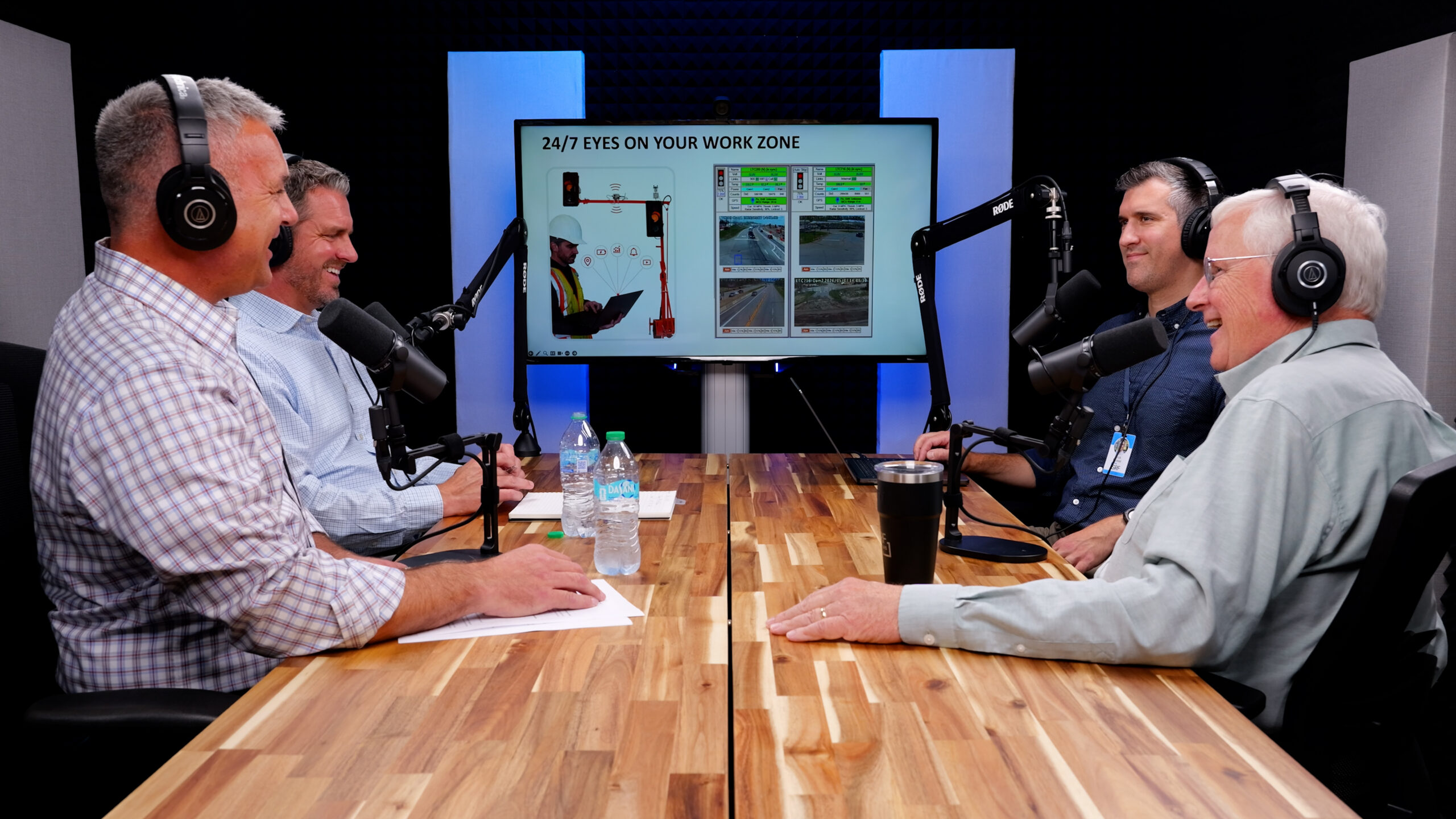
In the latest episode of Unboxed: The SRF Podcast, host Nick Busse is joined by Jon Jackels of SRF Consulting Group, Reed Leidle of Safety Signs, and Brady Markell of Street Smart Rental to discuss portable traffic control signals and their potential to improve work zone safety.
The conversation explores how these systems can reduce worker exposure to traffic, improve traffic flow, lower project costs, and help contractors maintain schedules. Although portable traffic signals have been available for decades, many transportation professionals remain unaware of their capabilities and the benefits they can deliver.
The group also discusses barriers to adoption, common misconceptions about the technology, and why designers, agencies, and contractors should consider portable traffic signals earlier in the project planning process. Along the way, they share real-world examples of how these systems have improved safety and efficiency on active construction projects.
Most importantly, the episode focuses on a simple but important question: if technology exists that can help keep workers out of harm’s way and get more people home safely at the end of the day, why aren’t we using it more often?
Watch or Listen on Your Favorite Platform
Prefer to listen on the go? You can find this episode and more on all major podcast platforms.
Subscribe and listen on:



Disclaimer
The views and opinions expressed in this podcast are those of the speakers and do not necessarily reflect the official policy or position of SRF Consulting Group. This podcast is for informational purposes only and does not constitute professional engineering advice. Listening to this podcast does not create a consultant-client relationship. Always consult with a qualified professional for your specific project needs.