
In 1926, a water quality survey of the 42-mile stretch of the Mississippi River between Minneapolis and Red Wing found only three living fish. The river was not just polluted; it was an ecological disaster described by scientists of the time as “exceedingly foul,” covered in “sleek and scum,” and bubbling with methane gas.
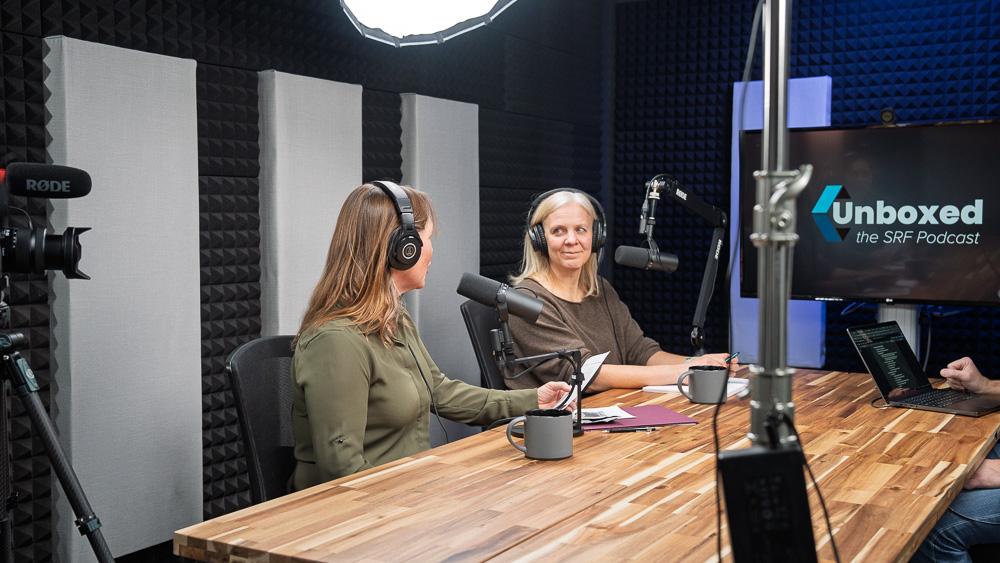
In our latest episode of Unboxed: The SRF Podcast, we sit down with Cassie Champion of Metropolitan Council Environmental Services and Abby Moore of the Mississippi Watershed Management Organization (MWMO) to discuss Sacred Water Shared Future. This regional campaign commemorates the 100-year journey from that 1926 low point to the thriving, though still challenged, river we experience today — and seeks to inspire the next 100 years of stewardship.
A Century of Transformation
The “death” of the river was a three-part story of unprecedented population growth, the development of sewers that piped raw waste directly into the channel, and the construction of the lock and dam system that essentially trapped the sewage in place.
The turning point began in 1938 with the opening of the Metro Water Resource Recovery Facility (originally known as the Pig’s Eye sewage plant). It was the first treatment plant on the entire Mississippi River, and within just four months of operation, the infamous “sludge mats” on the river’s surface began to clear.
The Challenges of the Next 100 Years
While we no longer face the raw sewage crises of the 1920s, our guests remind us that the work is far from over. Today’s pollutants are often less visible but equally complex:
- Phosphorus: Primarily from landscaping waste like leaves and grass clippings, which fuels algae blooms.
- Chlorides: Road salt from our winters is a major concern, as there is currently no easy way to remove it once it enters the water.
- Microplastics: Emerging contaminants that we are only beginning to understand in terms of long-term ecological impact.
Get Involved: Events and Storytelling
The Sacred Water Shared Future campaign is more than a history lesson; it’s an invitation to connect with the river.
- Attend an Event: From the “Eco Experience” at the Minnesota State Fair to river-focused programs at Three Rivers Park District, there are dozens of ways to participate.
- Share Your Story: The campaign is partnering with the Minnesota Story Collective to gather personal accounts of what the river means to Twin Cities residents. These stories provide “qualitative data” that helps lawmakers understand the river’s cultural and personal value.
Listen to the full episode on YouTube or your favorite podcast platform, and visit SacredWaterSharedFuture.org to find an event near you.

Don’t Forget to Subscribe!
You can find “Unboxed: The SRF Podcast” on all major platforms. Subscribe and listen on:



Disclaimer
The views and opinions expressed in this podcast are those of the speakers and do not necessarily reflect the official policy or position of SRF Consulting Group. This podcast is for informational purposes only and does not constitute professional engineering advice. Listening to this podcast does not create a consultant-client relationship. Always consult with a qualified professional for your specific project needs.